OHI-S Orthodontics in growing patients

Include: 11 videos + 11 audios + 11 file sub vtt, size: 15.09 GB
Target Audience: orthodontists, pediatric dentists, and general dentists
Information:
11 lessons (26h 5min)
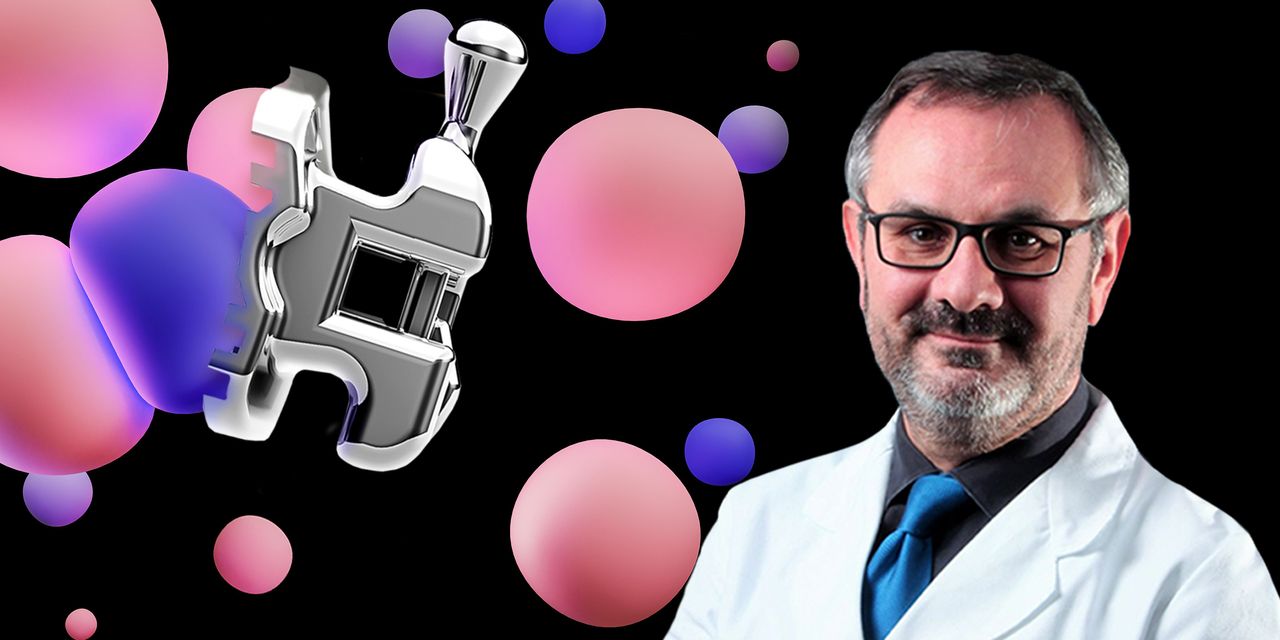
How to use the orthodontic appliances in a mixed dentition, when to place a fixed appliance, and when to get through the treatment with only a functional appliance – all this, as well as the author’s protocols of digital design for treatment planning in the webinars by Dr. David Suárez webinars.
In 11 lessons you will learn:
- – Appliances used in mixed dentition
- – When it is possible to expand the jaw, and when it is necessary to remove teeth
- – New concepts and classifications of class 2 and 3 Malocclusion
- – Camouflage treatment of class 3
- – Digital smile design
- – How to combine fixed and functional devices
- – Methods of treatment of impacted canines in the maxilla in adults.
The OHI‑S Orthodontics in Growing Patients program is best for orthodontists, pediatric dentists, and general dentists with orthodontic practice who want structured, training in interceptive and comprehensive orthodontic care for children and adolescents. It emphasizes evidence‑based protocols that leverage growth potential to correct malocclusions early, guide jaw development, and secure long‑term functional and aesthetic outcomes.
👩⚕️ Who Should Enroll
- Orthodontists managing interceptive and comprehensive orthodontic treatments in growing patients.
- Pediatric dentists providing early orthodontic interventions to guide jaw and dental development.
- General dentists with orthodontic focus seeking to expand their scope in treating children and adolescents.
- Residents & fellows in orthodontics or pediatric dentistry who need structured training in growth‑related orthodontics.
- Dental technicians fabricating appliances (expanders, functional appliances, aligners) used in pediatric orthodontics.
📚 What You’ll Learn
- Growth assessment: evaluating skeletal and dental development stages.
- Interceptive protocols: early treatment strategies for Class II, Class III, crossbite, and open bite.
- Functional appliances: use of expanders, facemasks, and mandibular advancement devices.
- Timing of treatment: evidence‑based guidelines for early vs. late intervention.
- Integration with pediatric care: managing oral habits, airway issues, and preventive orthodontics.
- Case‑based lessons: real examples of orthodontic treatment in growing patients.
Topics:
Lesson 1.Expansion or extraction in orthodontics?
- – History. From the Angle and Tweed paradigm to Damon paradigm
- – Fastbraces or fastwires?
- – Clinical evaluation and criteria to make a decision
- – How to diminish the number of extractions in your practice?
- – Dentoalveolar growth, quality of alloys and new bracket design
- – Dental and skeletal expansion
- – Control of Friction tooth-by-tooth
- – Mechanical Orthostripping. Protocols for you and me.
Recommended for: Orthodontists.
Lesson 2.Phases of treatment with new superwires: alignment
- – Objectives
- – Braces Design
- – The use of elastic ligatures (friction control)
- – The use of elastic traction
- – Sequence of arcs
- – Arch wires and alloys
- – Biomechanics
- – Smile Design in orthodontics
- – Tooth eruption problems
- – Clinical cases.
Recommended for: Orthodontists.
Lesson 3.Orthodontic leveling: treatment of deep bite problems
- – Objectives of treating deep and open bite
- – Closing space with extractions
- – Closing space without extractions
- – Finishing
- – Smile Design
- – Arch wires and alloys
- – Biomechanics
- – Clinical cases.
Recommended for: Orthodontists.
Lesson 4.Mandibular class 2 malocclusions treatment in the growing patient
- – The problem of Class 2 malocclusions in Contemporary Orthodontic
- – A new Class 2 Malocclusions classifications
- – Maxillary Class 2
- – Mandibular Class 2
- – Time of Treatment
- – Phases, steps and biomechanics
- – Appliances
- – Clinical Cases.
Recommended for: Orthodontists.
Lesson 5.Digital orthodontic and neuromarketing
- – Digital Dentistry: The big change of paradigm
- – Integrated 3D Digital Diagnostic
- – Digital flow in our office
- – Set Up
- – Neuromarketing: Emotional patients in Orthodontic
- – 3D Mock-Up
- – Eruption proprioception guides.
- Recommended for: Orthodontists.
Lesson 6.DSQ author`s concept. Digital protocols
- – Our orthodontic practice after Coronavirus: a new vision
- – Clinical success in Efficiency Orthodontics
- – Occlusal objectives in Orthodontics. Static and dynamic
- – Diagnostic and Treatment Plan. DSQ Protocols
- – Facial and Smile Digital analysis
- – DSQ Cephalometric analysis: integration with occlusion, smile and face
- – Dentofacial growth. Clinical considerations before and during treatment
- – Facial pattern and vertical control
- – Smile Design
– Types of appliances in our technique.
Recommended for: Orthodontists.
Lesson 7.Treatment of pathologies in the early and mixed dentition. Clinical use of various devices
- – Expansion and distalization of 16/26. Wilson Palatal Barr. Hilgers Pendulum
- – Dental Expansion with 3D Wilson Quad Helix
- – Skeletal Expansion in Mixed Dentition: De la Rosa and McNamara appliances
- – Functional Removal Appliances in growing patients
- – Active Removable Plates in kids
- – Frankel Functional Regulator in Class 2 and 3 Malocclusion
- – Control of Incisal Guide in Mixed Dentition: By-Pass Arch wires
- – Vertical control in Mixed Dentition: Deep Bite. Open Bite
- – Aligners in kids: Eruption Proprioception Guides.
Recommended for: Orthodontists.
Lesson 8.Work with braces: part 1. Friction and biomechanics
- – What is the best bracket? Is there an ideal bracket?
- – Friction in Orthodontics
- – Our concept about Friction Selection Control tooth-by-tooth
- – Classics and new alloys: Thermal NiTi. TMA. Gummetal
- – Expansion or extraction?
- – Biomechanics
- – Alignment: objectives, diagnostic criteria, arch wires and clinical biomechanics.
- Recommended for: Orthodontists.
Lesson 9.Work with braces: part 2. Microimplants
- – Leveling: objectives, diagnostic criteria, arch wires and clinical biomechanics
- – Closing Space: objectives, diagnostic criteria, arch wires and clinical biomechanics
- – Torque control tooth-by-tooth
- – Finishing: objectives, diagnostic criteria, arch wires and clinical biomechanics
- – Clinical cases
- – Microimplants: intra and extraalveolar. Indications. Surgical technique. Biomechanics. Anchorage. Intrusion. Distalization. Clinical cases
- – Treatment of impacted upper canines in adults.
Recommended for: Orthodontists.
Lesson 10.Сlass 2: Dentoalveolar and skeletal form treatment
- – New concepts and classifications for Class 2 Malocclusion treatment
- – When to start treatment?
- – Dentoalveolar Maxillary Class 2: Molar distalization
- – A new approach to Mandibular Class 2 treatment
- – How to combine fixed and functional appliances in the same phase of treatment
- – Biomechanical sequence
- – Clinical cases.
Recommended for: Orthodontists.
Lesson 11.Class 3: Dentoalveolar and skeletal form treatment
- – Class 3 treatment in young and adult patients
- – Class 3 camouflage with extractions, intermaxillary elastics and microimplants
- – Multitecnic Treatment with Aligners and removal appliances in adult
- – Invisible low-cost treatment in adults
- – Orthodontic treatment in Disfunctional / TMJ patients.
Recommended for: Orthodontists.